Traveling With Your Dog: Tips For A Safe And Enjoyable Trip
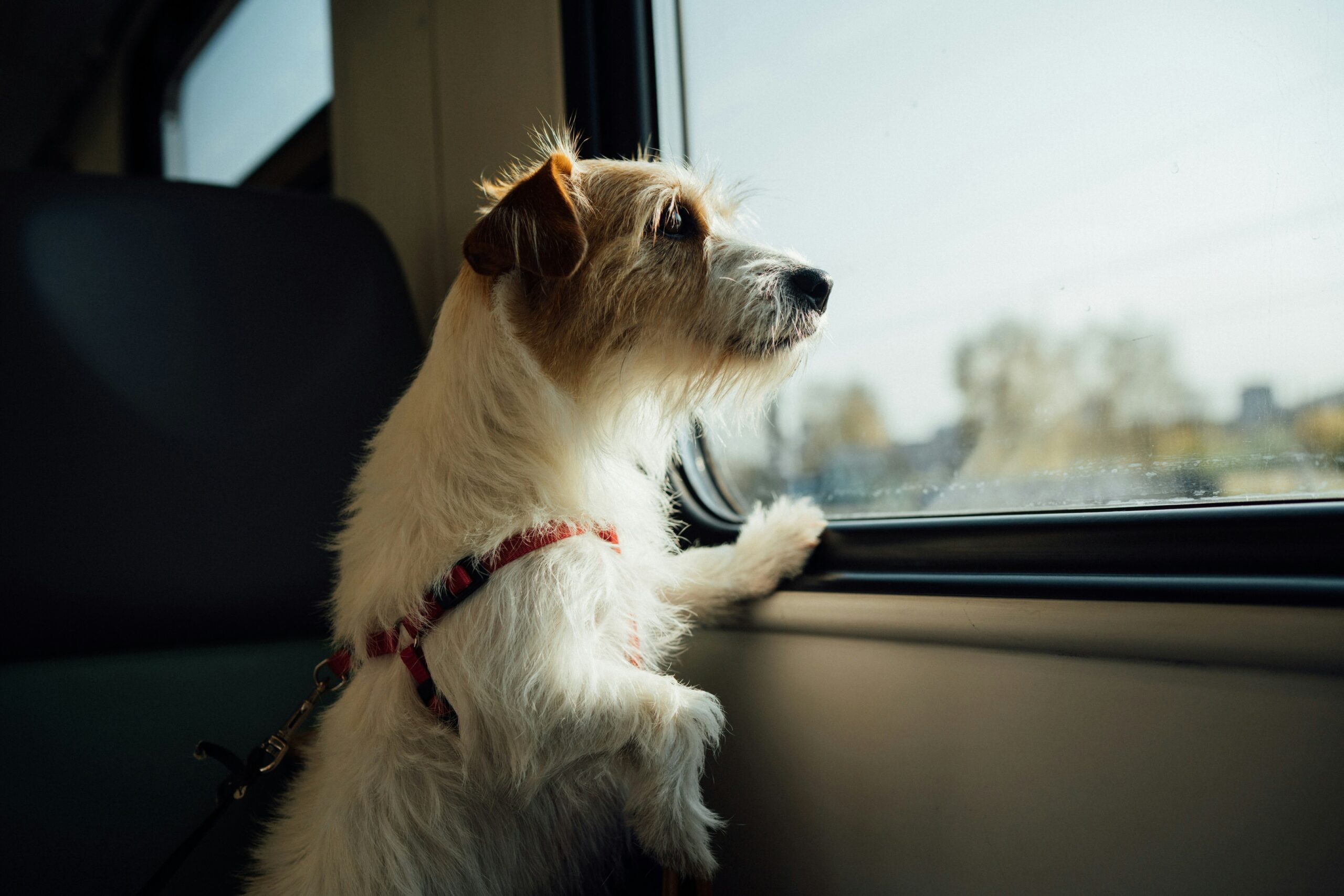
With travel season upon us, some may be wondering what the best way of travel is when bringing your dog along on the journey. Many dogs love to travel, and will jump in the car, know their spot, and be ready to go. Othertimes though, some dogs don’t care for the trips, and would rather stay at home. Taking into consideration your reluctant dog’s needs can go a long way into making your travel an enjoyable experience.
The size of your dog can make a big difference in planning travel. Small, medium, and large dogs all have different needs, and addressing these ensures a safe and pleasant journey for everyone involved. Understanding these differences means you can plan better, right from the start.
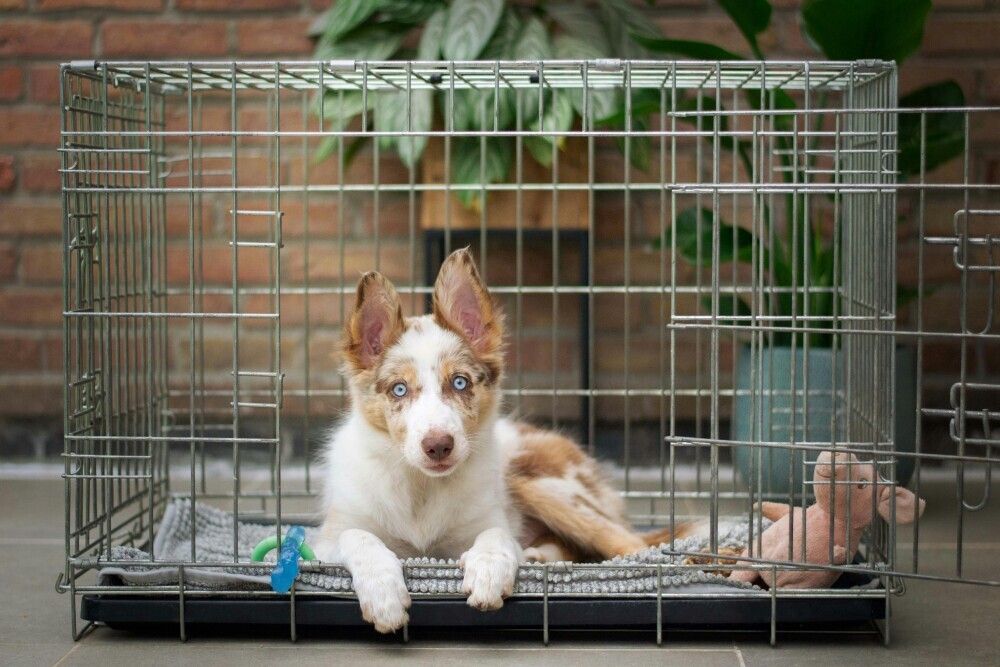
Small dogs, for example, can often travel in carriers that fit under plane seats or comfortably in the car’s passenger area. They tend to feel more comfortable in smaller, enclosed spaces since it mirrors their natural denning instincts. Soft-sided carriers with good ventilation are often the choice for these little companions.
Medium-sized dogs require a bit more space, and while carriers can still work, ensuring they have enough room to sit, stand, and turn around comfortably is crucial. For car travel, securing them in a pet seatbelt or using a travel harness can prevent sudden jolts. You’ll want your pup to be safe as well as comfortable.
When it comes to large dogs, if you don’t want them to have freedom in your vehicle then check out some of the roomier crates that are available for transporting, especially during long hauls. Ensuring these crates are secure and well-ventilated is crucial for their comfort and safety. Plan for pit stops on road trips to let them stretch and relieve themselves. It helps to map pet-friendly rest areas along your route.
Choosing the right travel gear can also make a huge difference. Consider the type of collar, tags, and leashes based on your dog’s size and strength to ensure they’re both safe and secure. With the right planning and adjustments, your dog can have just as much fun on the journey as they do at the destination.
Keeping Your Dog Calm and Happy Throughout the Journey
Traveling can be stressful for dogs, just as it is for people. Keeping your pet calm and happy during a trip is all about preparation and understanding their needs. Always start by setting a relaxed tone before the journey begins. A long walk or play session can help burn off excess energy, making your dog more likely to rest during travel.
Many dogs experience anxiety during travel, and there are various techniques to manage this. Consider using calming aids like treats, sprays, or supplements specifically designed to soothe your pet’s nerves. These can be especially helpful for long car rides or flights. Hermetically sealed bags with familiar toys or blankets help too, as the familiar scent can offer comfort.
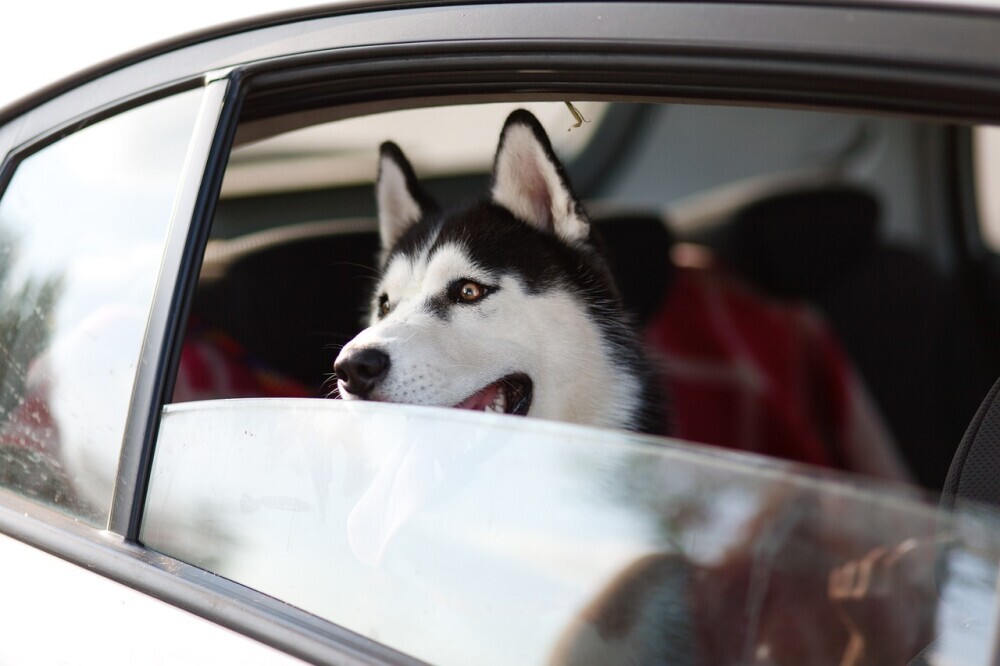
It’s important to plan for frequent breaks, especially on road trips. Make a point to stop every couple of hours. This isn’t just for bathroom needs; it’s a vital time for your dog to stretch and get some of their energy out. Dogs are more likely to remain calm if given the chance to move around and if they’re not cooped up for too long.
Creating a comfortable environment is another key element. Ensure you have a setup that makes your dog feel safe, like a stable crate or a secured seat with plenty of ventilation. Blocking sunlight, playing soft music, or using a soothing voice can help create a peaceful atmosphere that keeps nerves at bay. Always have water and some light snacks on hand to keep your dog hydrated and satisfied throughout the trip.
Finding the Best Pet-Friendly Accommodations
When traveling with your dog, finding pet-friendly places to stay is a game-changer. Doing some homework upfront can save a lot of hassle down the road. Hotels, Airbnbs, and even campsites have become more accommodating to pets, making it easier than ever to find a place where your dog is welcome.
Start by checking the pet policies of potential accommodations. Some spots have size restrictions, while others might charge additional fees. Calling ahead or reading through their websites can give you a heads up on what to expect. It’s also worth asking about any amenities they offer for pets, like designated walking areas or pet beds.
Camping is another excellent way to accommodate a traveling pet. National and state parks often have campgrounds that welcome dogs, although leashes are required in most places. This can be a great opportunity for both you and your dog to enjoy the great outdoors together.
Airbnb can be a great option, especially since many hosts are pet lovers themselves. Always filter your search to include pet-friendly listings and reach out to the hosts with any specific questions you might have. Many places offer fenced yards, which give your dog room to roam safely.
Resources like BringFido and PetsWelcome make the search process so much easier. These platforms specifically list pet-friendly hotels, restaurants, and attractions, complete with reviews from other pet owners.
Ensuring Safety and Security: The Importance of Pet Identification
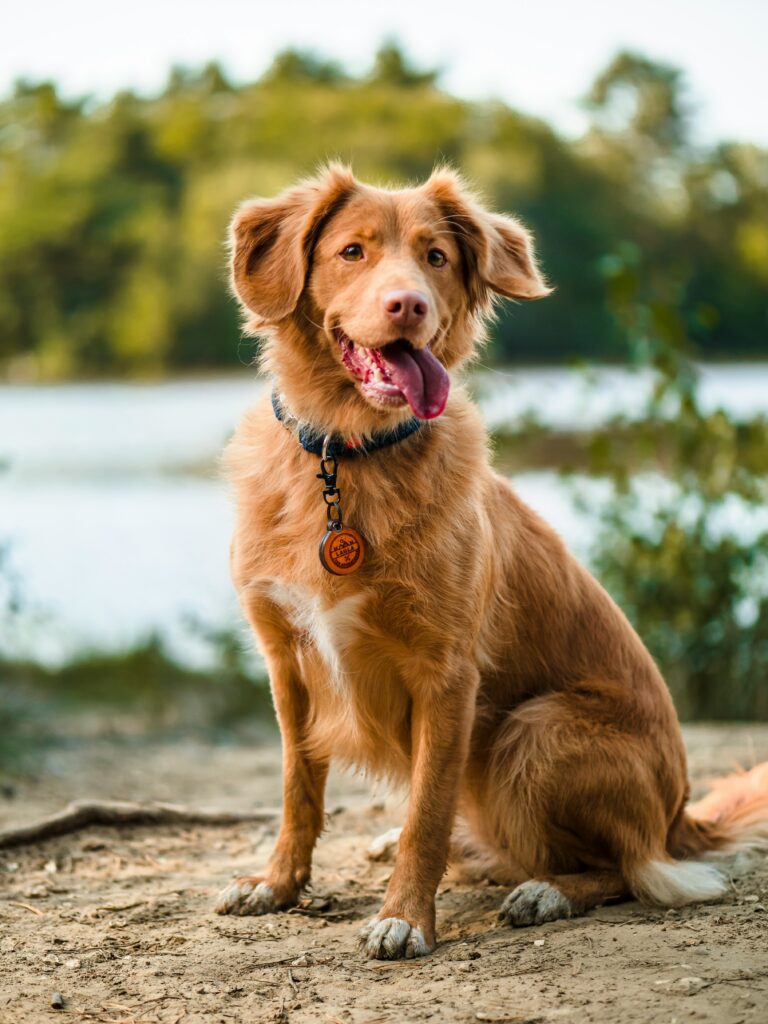
No matter how you travel, make sure your dog can be properly identified if he gets lost. Dogs face a heightened risk of becoming lost or disoriented in unfamiliar surroundings. Properly registered microchips and visible ID tags work together as a crucial safety net; tags provide instant, direct contact information, while a microchip guarantees permanent identification if the tags or coller becomes lost.
Beyond emergency recovery, both forms of identification are essential for travel logistics. Many regions and airlines require microchip identification to comply with strict import and travel regulations. By ensuring your pet wears updated tags and carries a microchip that links directly to your current contact details, you safeguard your pet’s well-being and guarantee a seamless, compliant travel experience.
Here’s wishing you and your faithful companion a wonderful travel season!


Post Comment