How to Read an Organic Dog Food Label (And Know If It’s Worth the Price)
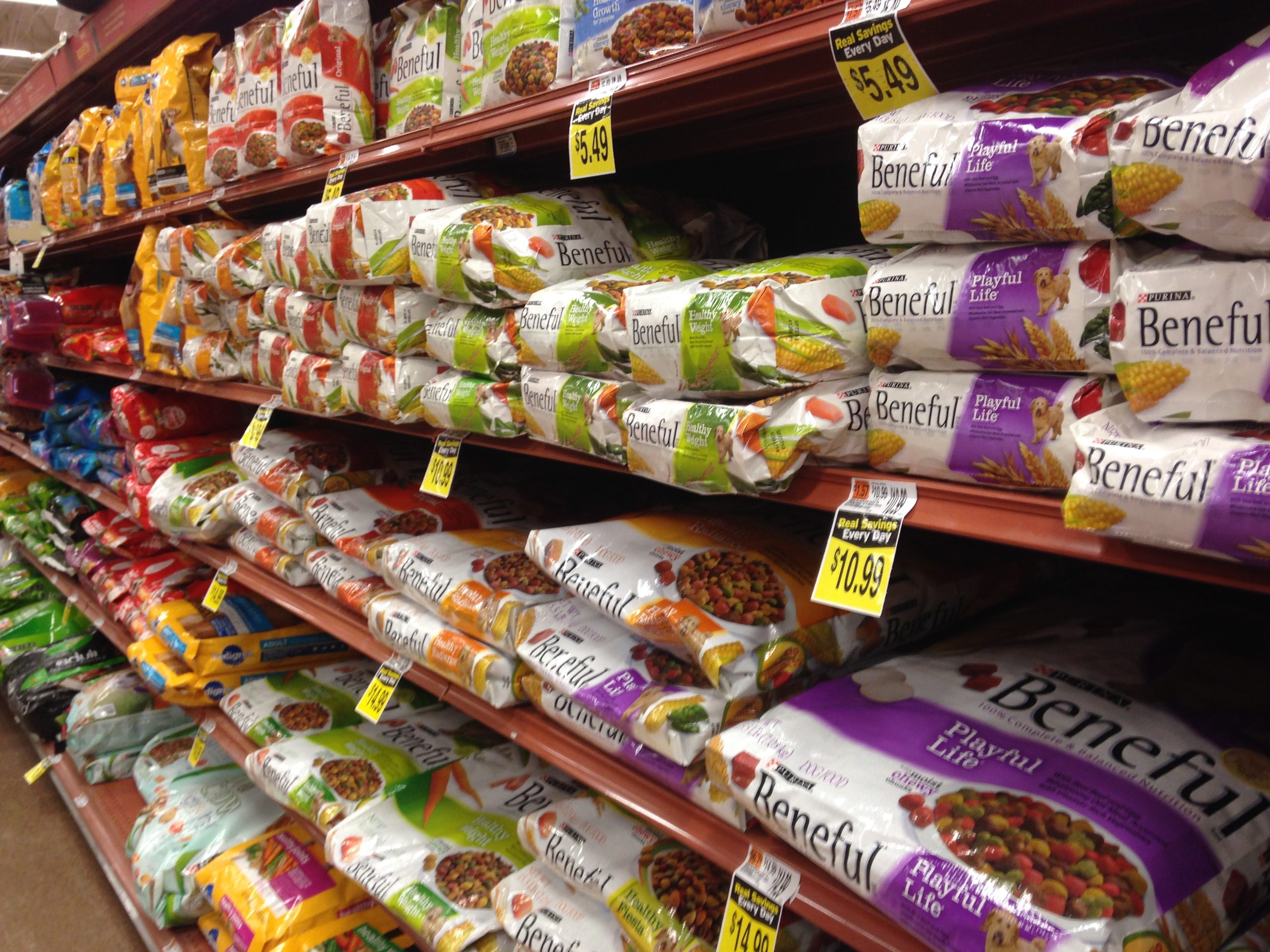
A bag that says “organic” sits next to one that says “natural” and another that says “holistic,” all priced differently, and nothing on the shelf tells you which word actually means something. That gap between what a label implies and what it legally guarantees is where most dog owners overpay, or underbuy, without realizing it. This guide walks through what organic actually means on pet food, which words are regulated, and how to judge a bag on its ingredients rather than its packaging.
What ‘Organic’ Legally Means on a Dog Food Bag (and What It Doesn’t)
In the United States, pet food that carries the word “organic” falls under the same general USDA organic standards as human food, at least on paper. That means the ingredients labeled organic were grown or raised without synthetic pesticides, most synthetic fertilizers, genetic engineering, or irradiation. A product can say “made with organic ingredients” if at least 70 percent of its contents qualify, while a product claiming to be “organic” outright generally needs to hit 95 percent or more.
Where it gets murkier is enforcement. The USDA’s National Organic Program oversees crops and livestock closely, but pet food as a finished product gets far less routine inspection than, say, a carton of organic eggs. Manufacturers self-certify many claims, and the agency doesn’t have the staff to audit every bag on every shelf. So the legal definition exists, but the policing behind it is thinner than most owners assume.
The USDA Organic Seal vs. Marketing Words Like ‘Natural’ and ‘Clean’
The green and white USDA Organic seal is the one claim on a bag that means something specific and verifiable. To use it, a company has to go through certification, keep records, and submit to inspection. If you see that seal, the organic claim is backed by a process, even if that process is imperfectly enforced.

Everything else on the front of the bag is marketing language with no required standard behind it. “Natural” has a loose definition from AAFCO (the Association of American Feed Control Officials) that mostly rules out synthetic additives, but it says nothing about sourcing, farming practices, or quality. “Clean,” “holistic,” “premium,” and “human-grade” have no legal definition in pet food at all. A company can print any of those words on a bag of food that’s otherwise identical to a budget brand.
The practical rule: if a company wants you to believe its food is organic, the USDA seal should be visible. If the bag leans on softer words instead, treat those as flavor text, not evidence.
Ingredients Worth Looking For, and Red Flags Worth Questioning
Once you get past the front of the bag, the ingredient list is where the real information lives. A few things worth checking:
- A named animal protein as the first ingredient, such as “organic chicken” or “organic beef,” rather than a vague term like “meat meal” or “animal fat.”
- Whole food ingredients you recognize, like organic sweet potato, organic carrots, or organic oats, rather than a long string of isolated starches and gums.
- A reasonable total ingredient count. A short, clear list is often a sign the formula wasn’t built to disguise filler with variety.
Red flags worth a second look:
- Ingredient splitting, where a food lists several forms of the same cheap filler (different types of corn or rice, for instance) separately so none of them individually ranks high on the list, even though combined they’d outweigh the protein.
- Vague protein sources like “meat by-product” without specifying the animal.
- Excessive synthetic preservatives, especially in a food marketed as organic or natural, since that combination is often more about branding than formulation.
None of this requires a nutrition degree. It requires reading past the first line of ingredients and asking whether the list matches the story on the front of the bag.
What Organic Can (and Can’t) Improve Nutritionally for Your Dog
Organic certification tells you something about how ingredients were grown or raised. It does not, by itself, tell you whether the overall recipe is nutritionally complete or balanced for a dog’s life stage. A food can be fully organic and still be poorly formulated, just as a conventional food can be excellent.

What organic ingredients can reasonably offer is lower exposure to synthetic pesticide residue and, in the case of organic meat, animals raised without routine antibiotics or synthetic growth hormones. For dogs with certain sensitivities, that reduced chemical load may matter. What organic does not guarantee is higher protein quality, better digestibility, or a more complete vitamin and mineral profile. Those depend on the formulation, not the farming method.
If a food’s main selling point is its organic certification and the ingredient list and guaranteed analysis look unremarkable otherwise, you’re paying for the certification, not necessarily for better nutrition.
Reading the Guaranteed Analysis Alongside the Ingredient List
Every commercial dog food is required to print a guaranteed analysis: minimum percentages of crude protein and crude fat, and maximum percentages of crude fiber and moisture. This section is worth reading next to the ingredient list, because the two together tell you more than either alone.
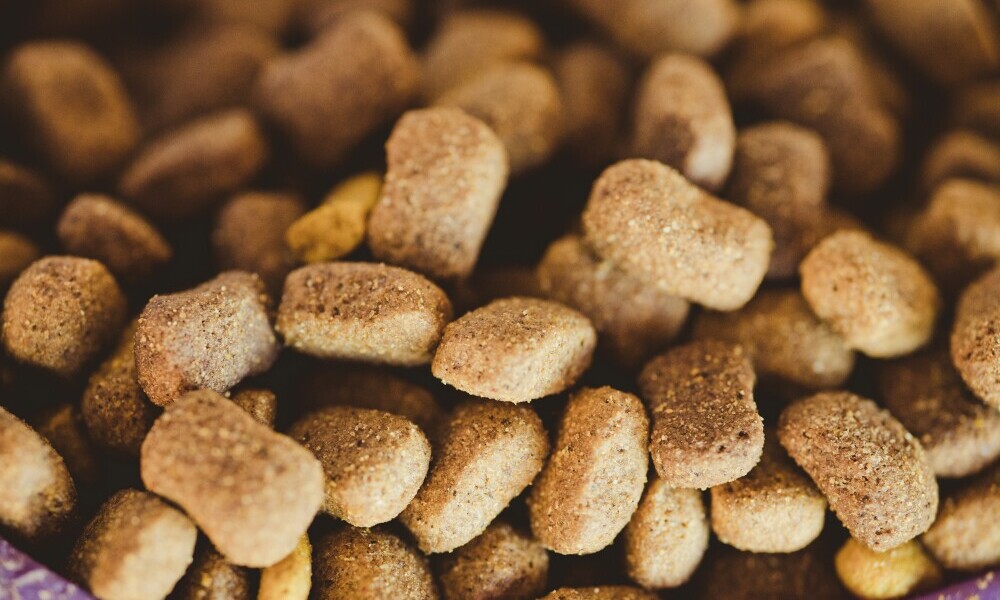
A food with organic chicken as the first ingredient but a surprisingly low protein percentage may be relying on cheaper plant proteins further down the list to make up the bulk. Compare the guaranteed analysis across a few bags, organic and conventional, in the same category (adult maintenance, puppy, weight management) so you’re comparing like to like. Also check that the food carries an AAFCO statement confirming it’s complete and balanced for your dog’s specific life stage, since that statement matters more for day to day health than the word organic does.
Switching Your Dog to Organic Food Without Upsetting Their Stomach
If you decide an organic food is the right move, the switch itself matters as much as the choice. Dogs’ digestive systems adjust to a food’s specific ingredients and fiber content over time, and a sudden change, organic or not, can cause loose stools, gas, or vomiting.
A gradual transition over seven to ten days works for most dogs: start with about 25 percent new food mixed into 75 percent old food, shift the ratio every couple of days, and watch stool quality along the way. If you notice ongoing digestive upset, slow the transition down further rather than pushing through it. A dog with existing sensitivities or health conditions should make any diet change under veterinary guidance.
Three Common Myths About Organic Pet Food
Myth 1: Organic means grain free, or vice versa. The two labels are unrelated. A food can be organic and full of grains, or grain free and entirely conventional. Check them separately.
Myth 2: Organic dog food is automatically more digestible. Digestibility comes from ingredient quality and formulation, not from whether the crops were grown organically. An organic food with a poor amino acid profile can digest just as poorly as a conventional one.
Myth 3: If it’s organic, it’s safe for every dog. Organic ingredients can still include common allergens like chicken, beef, or wheat. Organic status says nothing about whether a specific dog will tolerate a specific protein or grain.
Is Organic Worth the Extra Cost for Your Budget
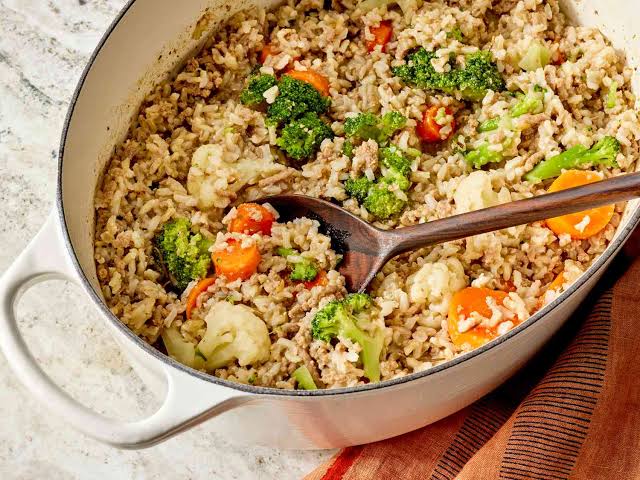
Organic dog food typically costs more, sometimes considerably more, than conventional food in the same category, largely because organic farming and certification carry real costs that get passed down. Whether that premium is worth it depends on what you’re actually buying: certified organic ingredients from a well-formulated recipe are a reasonable thing to pay more for, while organic claims stacked on top of a mediocre formula are not.
A useful approach is to treat the organic question as one factor among several, not the deciding one. A conventional food with a strong ingredient list, a named protein source, and a complete AAFCO statement may serve your dog better than an organic food padded with fillers and marketing language. If cost is a genuine constraint right now, How To Keep Pets Thriving Through A Tough Economy covers ways to keep a pet well fed without stretching your budget past what it can hold. Before buying your next bag, pull up the label on your dog’s current food and check it against what you just learned.



Post Comment